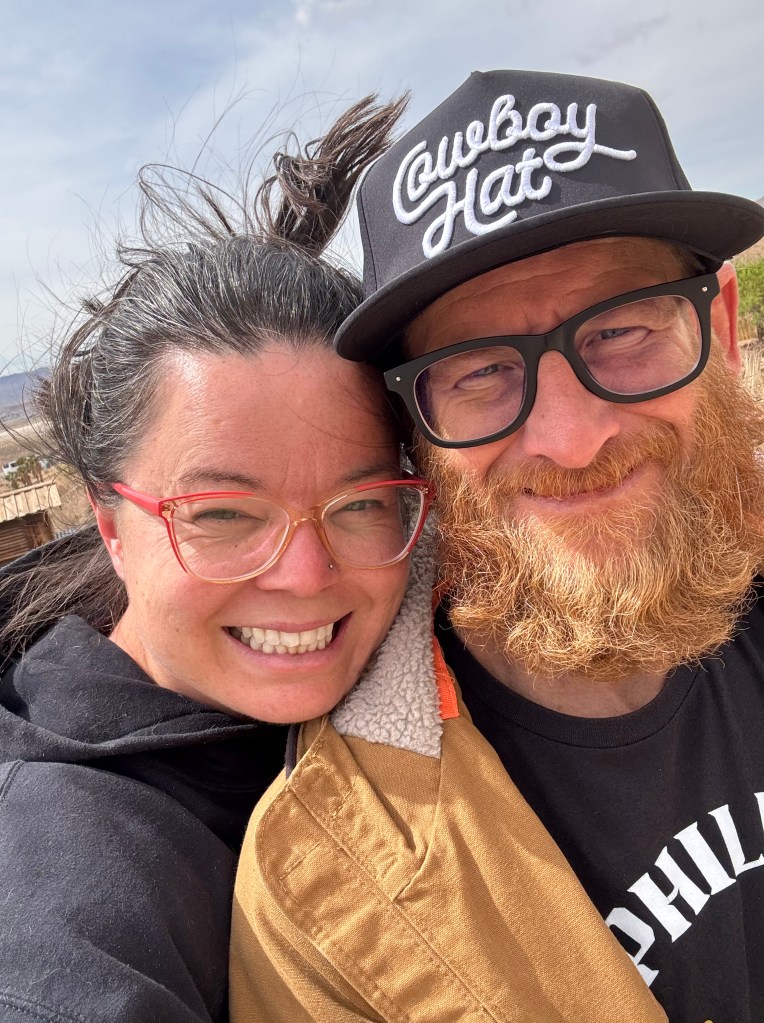
Hi, I’m Stephanie!
I homestead alongside my husband, and together we’re learning this life one skill at a time. We’re first-generation homesteaders who started small and learned that homesteading really can happen anywhere.
Here at Serene Homestead, I share the things we’ve learned along the way, from growing and preserving food to raising animals and building practical skills for a more self-reliant life.
I’m happy you’re here!
How to Start Homesteading When You Have No Land
When you picture a homestead, what comes to mind?
Maybe it’s a huge garden, chickens and goats roaming over acres, and a barn sitting somewhere in the distance.
For many people, that picture comes with a big problem: they don’t have the land.
Maybe you live in an apartment or you’re renting a house. Maybe you live in a neighborhood with strict HOA rules. Maybe you’re in a trailer park with no accessibility to land, just like we were.
Rest assured, some of the most important parts of homesteading have nothing to do with land at all.
Homesteading is about becoming more capable and self-reliant. Skills associated with these can be learned almost anywhere.
My husband and I started our homesteading journey in a 1,200-square-foot mobile home in a trailer park. We didn’t have acres of land or room for a traditional homestead. Our only option was to start learning what we could with where we were at.
That beginning that me something I still believe today:
You don’t need land to start homesteading. You just need the mindset to start.
What Does It Mean to Homestead Without Land?
Homesteading without land means focusing on the aspects of self-reliance that you can practice within your current circumstance.
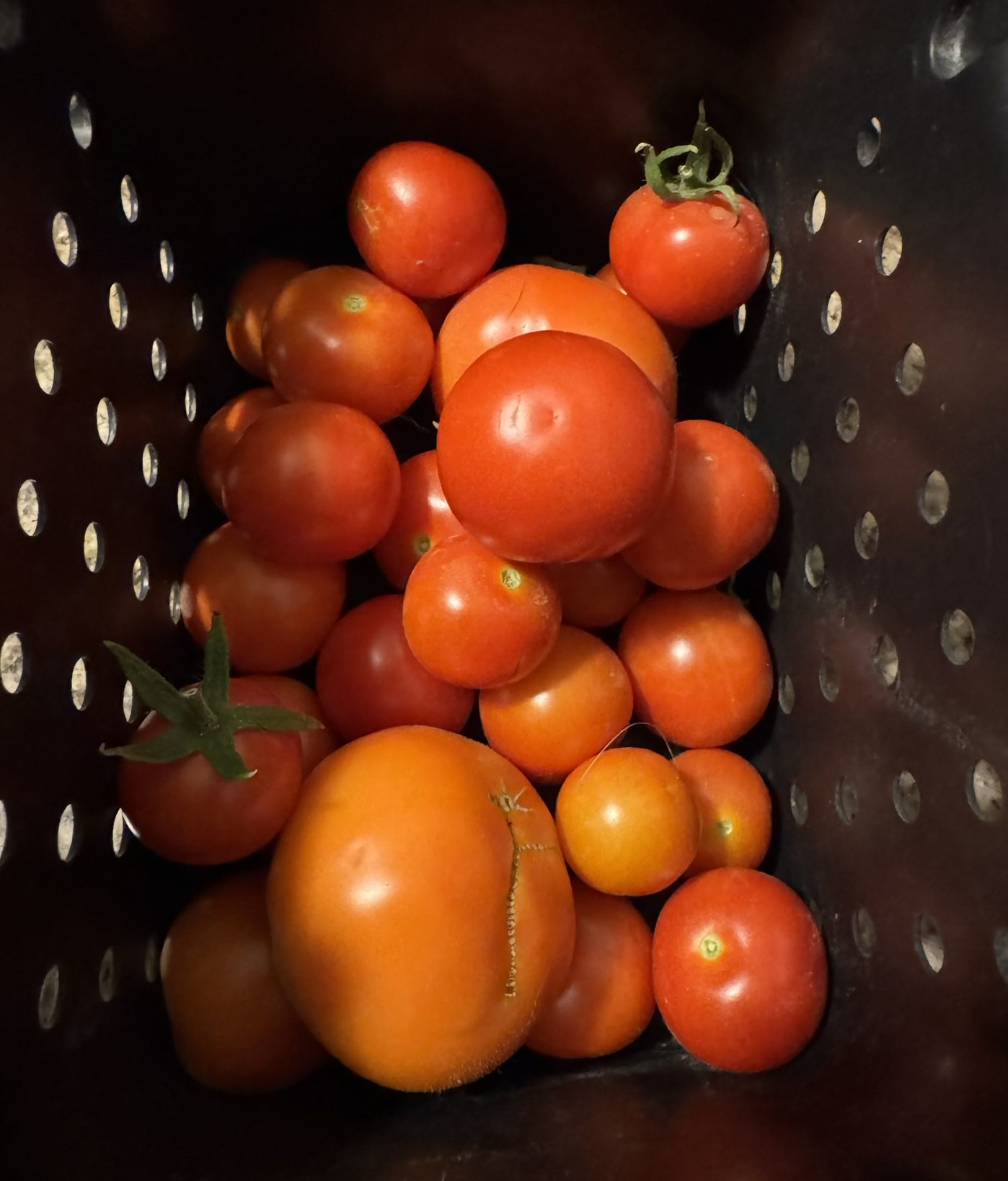
That might mean learning to preserve food, building a stocked pantry, growing herbs or tomatoes in containers, cooking from scratch, or developing other practical skills that make your household less dependent on convenience or large-scale systems.
Some things may not be possible right now. Remember, that’s okay.
Your goal isn’t to recreate someone else’s ten-acre homestead in a 700-square-foot apartment.
Your goal is to look at your circumstances and ask: What can I learn or do here?
That question will take you much further than constantly thinking about what you don’t have.
1. Start With Your Pantry
One of the easiest places to being homesteading is right in your kitchen.
You don’t need a garden to start building a food supply.
A well-organized stocked pantry can give you a greater sense of preparedness while helping you save money and reduce unnecessary trips to the grocery store.
Start by taking inventory of what you already have. Look at the foods your household actually eats and identify the staples you regularly use.
For example:
- Flour
- Sugar
- Rice
- Pasta
- Beans
- Salt
- Oats
- Spices
- Cooking oils
- Canned foods
You don’t need to buy a year’s worth of food overnight.
Start slowly.
When you find a staple that your family uses regularly, buy a little extra when your budget allows.
The goal isn’t to fill every available shelf with random items but rather build a useful pantry over time.
2. Learn Food Preservation
Food preservation is one of the most useful homesteading skills you can learn and you don’t have to invest in expensive equipment to get started.
You can preserve food you have grown in your garden or what you have purchased from the grocery store, farmers market, or local farm.
There are several preservation methods to explore.
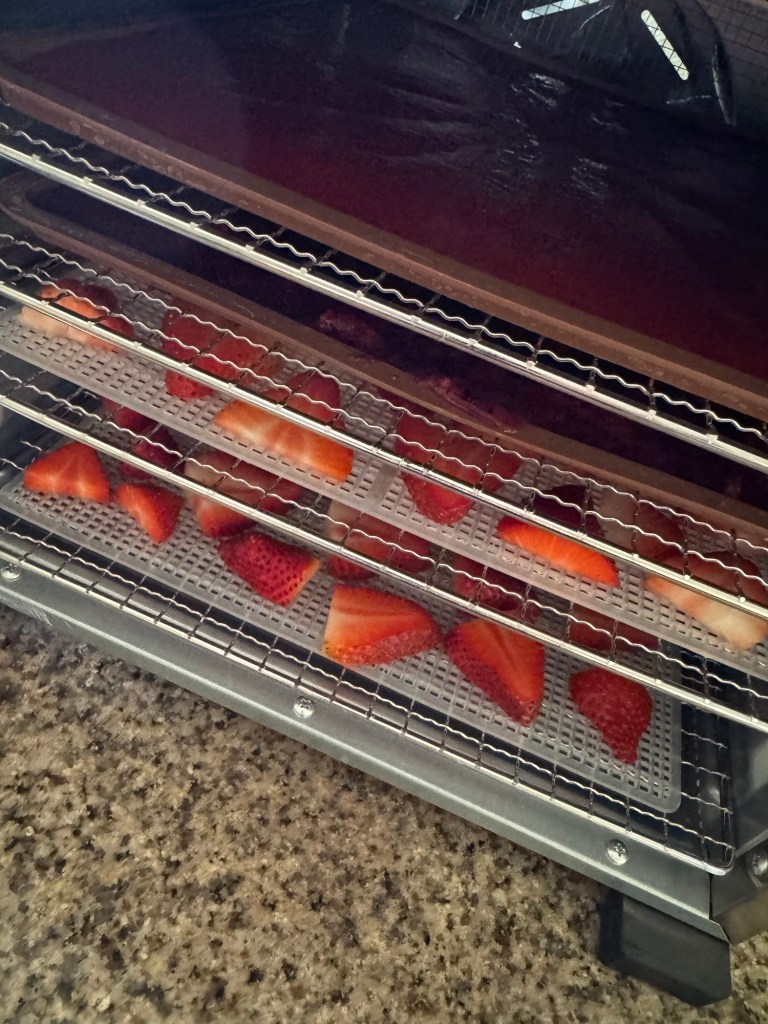
Dehydrating
A dehydrator removes moisture from food, helping extend its storage life when food is prepared and stored properly.
You can dehydrate fruits, vegetables, herbs and many other foods.
It’s also a relatively approachable place for beginners to start learning food preservation.
Canning
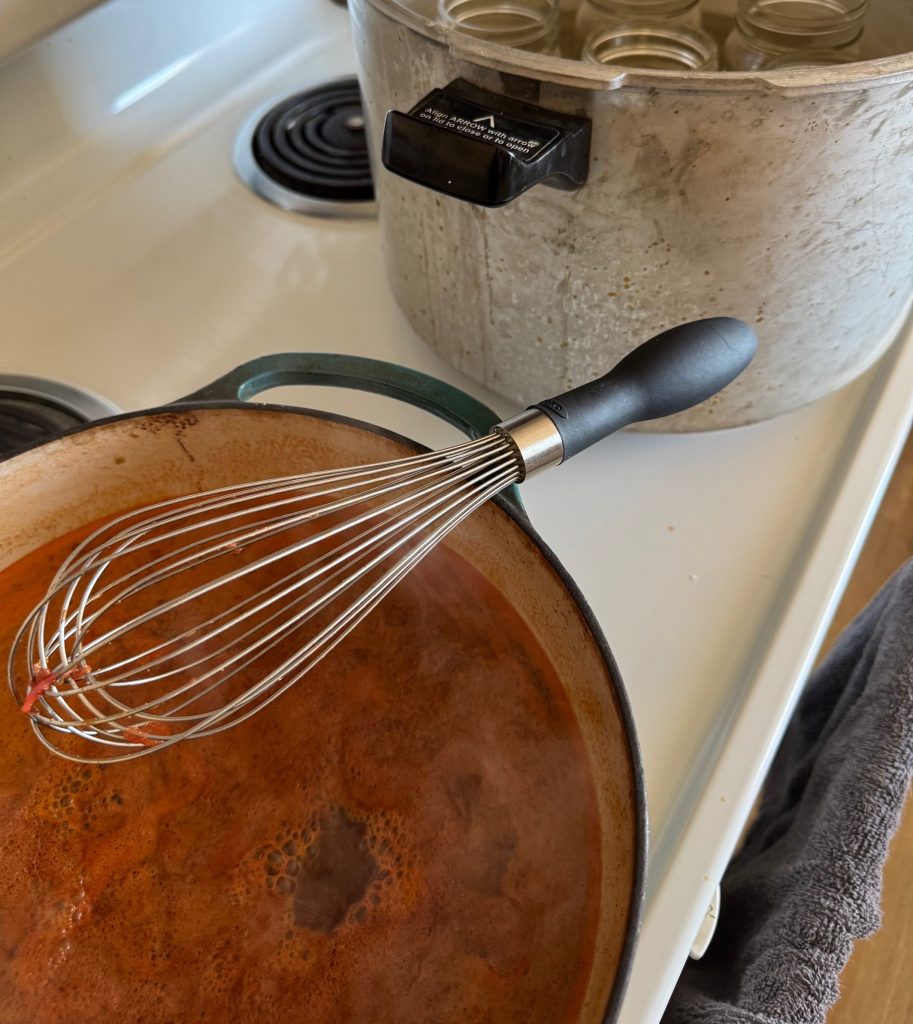
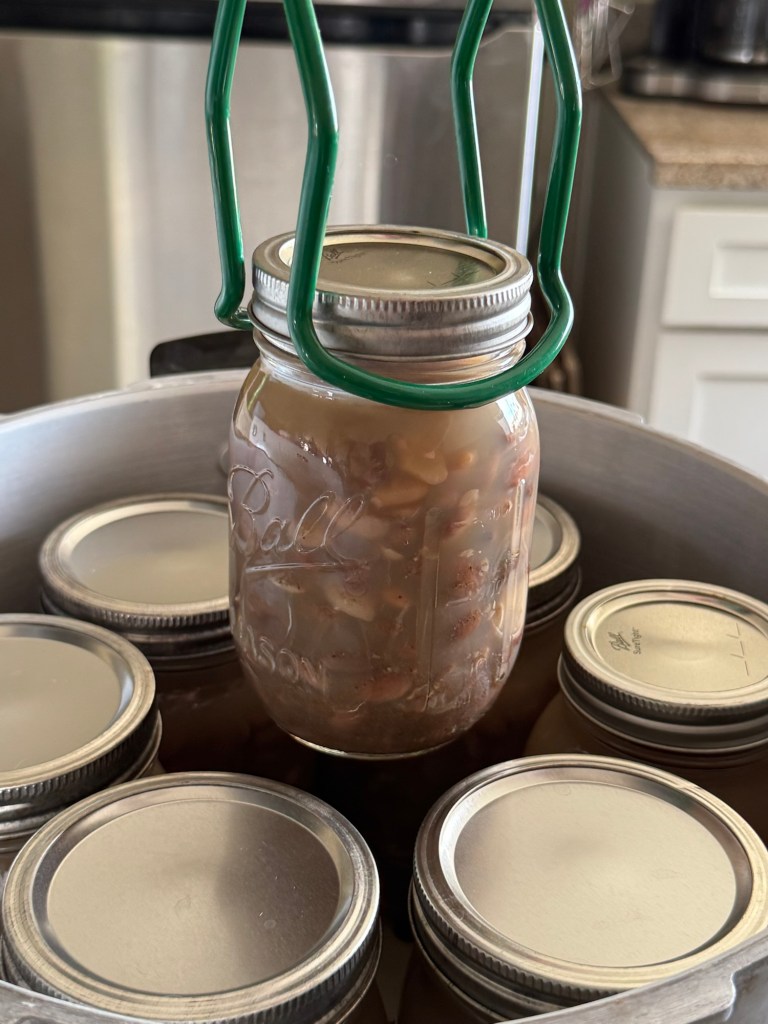
Canning allows you to preserve foods in jars for longer-term storage.
Water-bath canning is generally used for high-acid foods, while pressure canning is necessary for low-acid foods.
Because proper processing is important for food safety, beginners should always follow tested recipes and processing instructions from reliable source.
Freeze-Drying
Freeze-drying can preserve a wide variety of foods for long-term storage while retaining much of the food’s nutrition and flavor.
The machines can be a significant investment, so this is often a method that people explore later in their preservation journey.
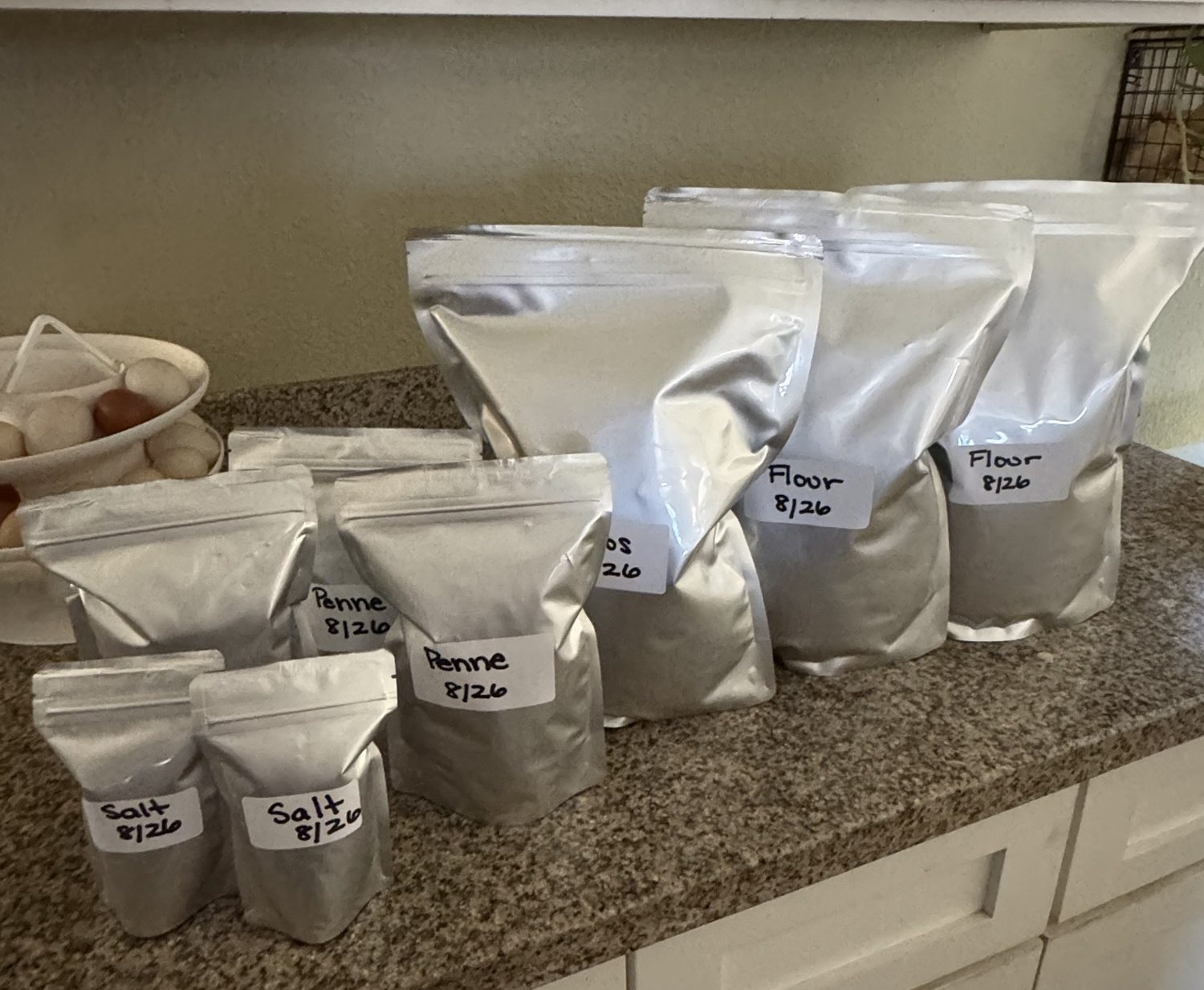
Mylar Bag Storage
Mylar bags can be used with appropriate oxygen absorbers to package certain dry ingredients and foods for long-term storage.
This can be especially useful if you’re beginning to build a long-term pantry but don’t want to make a large initial investment or have space limitations.
You don’t have to learn every preservation method.
Simply pick one and learn it well.
3. Grow Food in Small Spaces
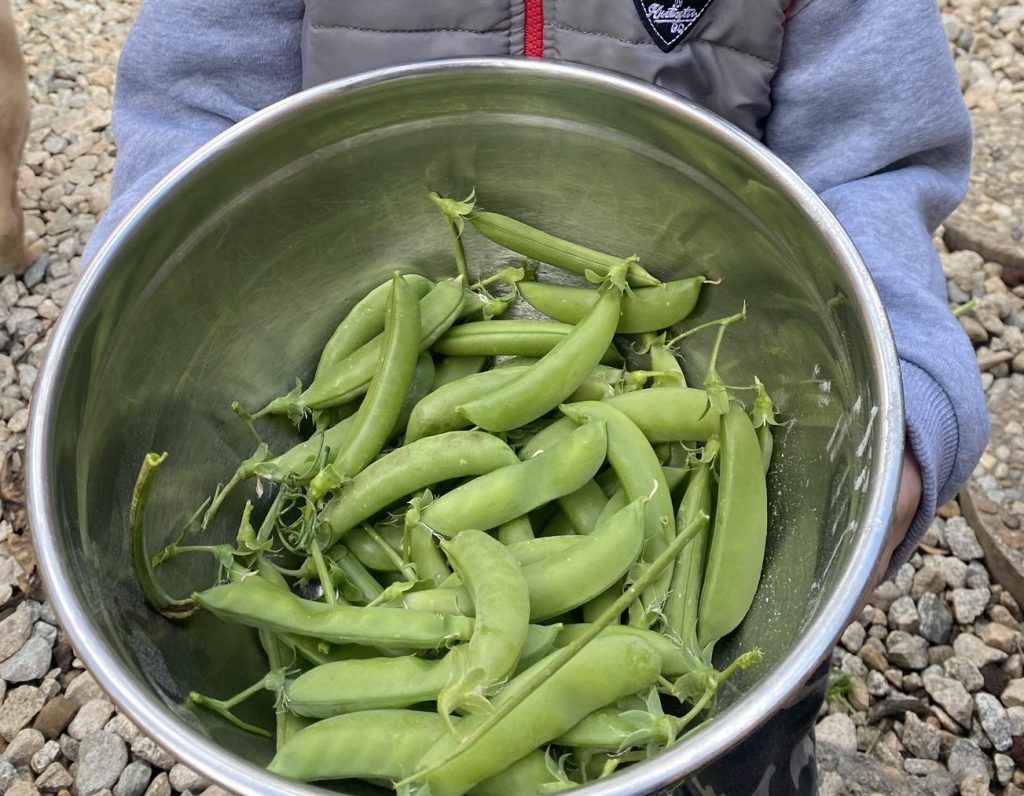
No yard doesn’t necessarily mean no garden. You may be surprised at how much you can grow in a small amount of space.
Depending on where you live and what your landlord or local regulations allow, consider:
- Windowsill herbs
- Container gardens
- Patio planters
- Balcony gardens
- Hanging baskets
- Vertical gardens
- Small raised beds
Start with something you’ll actually use. If you cook frequently, herbs make a great first choice. If you have a little more room such as a small balcony or backyard, try tomatoes, peppers, lettuce, or strawberries.
Don’t worry about producing enough food to feed your entire household. Just focus on starting somewhere and building knowledge on how to grow your own food.
You’ll learn about soil, fertilizer, watering, sunlight, pests, harvesting, and the growing seasons in your area.
4. Consider Small Livestock
Even if you have limited space, you may still have options for raising animals such as Coturnix quail.
Quail are small, relatively quiet, and can provide both eggs and meat. They also mature quickly compared with many larger types of livestock such as chickens.
Coturnix quail do not have extensive needs and only require adequate space and housing, nutrition, clean water, protection from predators, and proper care.
5. Learn to Cook From Scratch
Homesteading isn’t just about growing and preserving food. It’s also about knowing what to do with the ingredients you have.
Learning to cook from basic ingredients can be one of the most useful skills you develop.
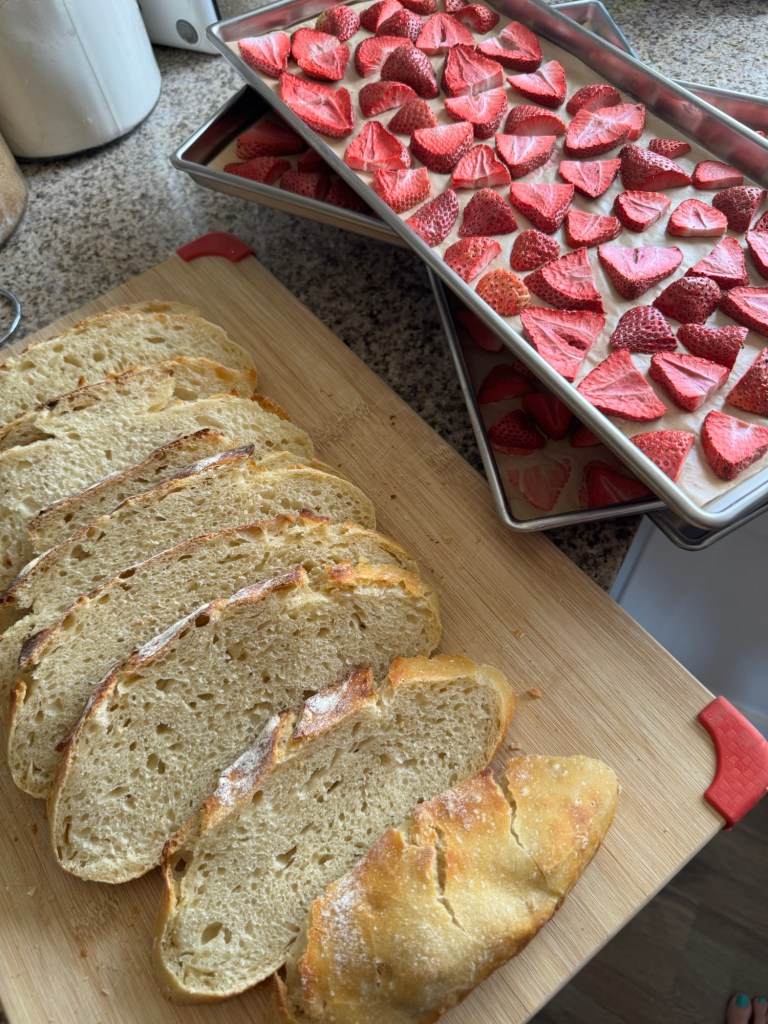
Start with simple recipes such as bread, soups, broths, sauces, rice, beans, and simple baked goods.
As you get started cooking more from scratch, remember to not get overwhelmed by trying to do everything at once. Convenience has its place and can be an asset while you work towards developing new skills and greater independence.
6. Learn Practical Household Skills
Some of the most valuable homesteading skills don’t involve food at all.
Think about the things you rely on other people to do for you. Is there something you could learn to do yourself?
Examples include:
- Basic sewing
- Mending clothes
- Simple home repairs
- Basic tool use
- Gardening/composting
- Meal planning
- Budgeting
- Basic first aid
- Cleaning and maintaining equipment
You don’t have to become an expert in everything. Learning enough to solve a small problem yourself can make a big difference.
7. Build Your Emergency Supplies
Preparedness is another aspect of homesteading that doesn’t require land. You can start with a single shelf or closet corner.
Build a small supply of the things your household would actually need in an emergency or if you could make a normal trip to the store.
Consider:
- Drinking water
- Shelf-stable foods
- Flashlights or candles
- Batteries
- First aid supplies
- Personal hygiene items
- Important documents
- Basic cooking supplies
- Heat source for food preparation
You don’t need to build a year’s worth of emergency supplies in one weekend. A few extra items purchased during your normal shopping trips will add up over time.
8. Learn Before You Buy
This is one of the most important lessons I can give a beginner:
Don’t let shopping become your version of homesteading.
There is an endless supply of homesteading equipment and fancy gadgets available online.
It’s easy to spend hundreds or even thousands of dollars before you’ve actually learned the skills.
Instead, learn first and then buy the equipment that solves a problem or helps you to meet a goal you actually have.
For example, if you want to learn how to dehydrate food, start by learning how the process works and what foods you want to preserve. Then decide on what equipment makes sense for your household.
Your homestead should serve your family. You don’t need to buy things simply because someone else uses them.
9. Start Building a Homesteading Budget
Homesteading can save money, but getting started can also become expensive if you’re not careful.
Instead of buying everything at once, make a list of the skills you’d like to learn and the equipment each one requires.
Then prioritize the order you’d like to accomplish the skills and establish a budget. This approach allows you to plan for gradual growth without exceeding your available finances.
10. Build Skills Before You Build a Homestead
If you dream of owning land someday, there’s nothing wrong with preparing for it now.
In fact, the time you spend without land can be incredibly valuable.
During this time, you can learn about and start practicing new skills that were mentioned in previous sections.
Then, when the opportunity for more space eventually comes, you’ll be able to bring those skills with you.
What If I Eventually Want Land?
If owning property is part of your long-term homesteading goal, now is the perfect time to start researching and preparing.
You can research:
- What type of property you’d like
- What you want to grow
- Which animals you’d like to raise
- What your ideal climate would be
- Local zoning requirements
- Water availability
- Gardening conditions
- Property taxes and ongoing expenses
- How much land you realistically need
Write down everything you imagine having one day. Then divide that list into two categories: things I can start now and things I’ll need land for.
This will allow you to set goals, begin working towards them, and also see that many goals don’t have a land requirement.
Your Homestead Can Start Now
When we were living in our mobile home, we couldn’t do everything we dreamt about doing.
So we focused on what we could do:
- Research and learn new skills
- Prepare more meals at home
- Begin storing food long-term
- Practice new skills
- Begin preparing for the future
Over time, those actions compiled and became an asset when we were able to move to a large property years later.
What we learned is that current circumstances don’t mean you are limited in working towards goals or the lifestyle you want to live.
Your homesteading journey can start now with a single shelf or skill. Small beginnings matter.
Final Thoughts
If you don’t have land, don’t make that be the reason you don’t start.
Instead, use that as an opportunity to start with what you can:
- Learn a skill
- Grow something small
- Preserve some food
- Organize your pantry
- Build an emergency supply
- Learn to cook from scratch
- Research the animals you hope to raise someday
Most importantly, stop measuring your beginning against someone else’s established homestead.
Your journey will look completely different and that’s okay.
Homesteading isn’t about recreating someone else’s life or doing it all. It’s about building a life that makes sense for you and your family.
If you start today, even with very little space, you’ll already be further along than you were yesterday.
You don’t need land to start homesteading. You just need to start where you are.
Ready for the Next Step?
If you’re new to homesteading, don’t feel like you need to tackle everything at once. Start with one practical skill and build from there.
Explore the Beginner Homesteading Library for more foundational and homesteading mindset resources.
You can also visit the Food Preservation Library to learn more about canning, dehydrating, Mylar bag storage, and freeze-drying, or explore the Raising Quail Library if you’re interested in adding small livestock to your homestead.
If you’re looking for a simple place to begin, visit the Resources page for free tools and printables to help you take that first step.
Continue Reading
Free Resources to Get You Started
Build your confidence with these beginner-friendly downloads designed to help you take the next step in your homesteading journey.
Start Building a Stocked Pantry
Learn how to build a practical pantry one purchase at a time with this printable guide. Perfect for beginners who want to be more prepared without feeling overwhelmed.
Which Preservation Method Is Right for You?
Not sure where to begin? Compare the most common food preservation methods and discover which one best fits your goals, budget, and lifestyle.
© 2026 Serene Homestead. All rights reserved.
 Serene Homestead