
Hi, I’m Stephanie!
I homestead alongside my husband, and together we’re learning this life one skill at a time. We’re first-generation homesteaders who started small and learned that homesteading really can happen anywhere.
Here at Serene Homestead, I share the things we’ve learned along the way, from growing and preserving food to raising animals and building practical skills for a more self-reliant life.
I’m happy you’re here!
10 Essential Homesteading Skills Every Beginner Should Learn
When you’re first looking in to homesteading, it can feel like there are a thousand things you need to learn.
Canning. Gardening. Bread baking. Raising animals. Food storage. Composting. First aid. The list seems endless.
On top of that, if you spend time looking at other people’s homesteads online, it can be easy to feel like you’re already behind.
You’re not.
You don’t need to learn everything at once and you certainly don’t need to master every traditional homesteading skill before you can consider yourself a homesteader.
The best place to start is with the skills that are useful in your everyday life. These are the skills that can help you save money, reduce waste, become more prepared, and feel more confident taking care of yourself and your household.
The best part? You can learn most of these skills no matter where you live.
You don’t need acreage, a barn, a single animal, or even a garden. All you need is a willingness to learn.
Here are 10 homesteading skills I recommend every beginner start with.
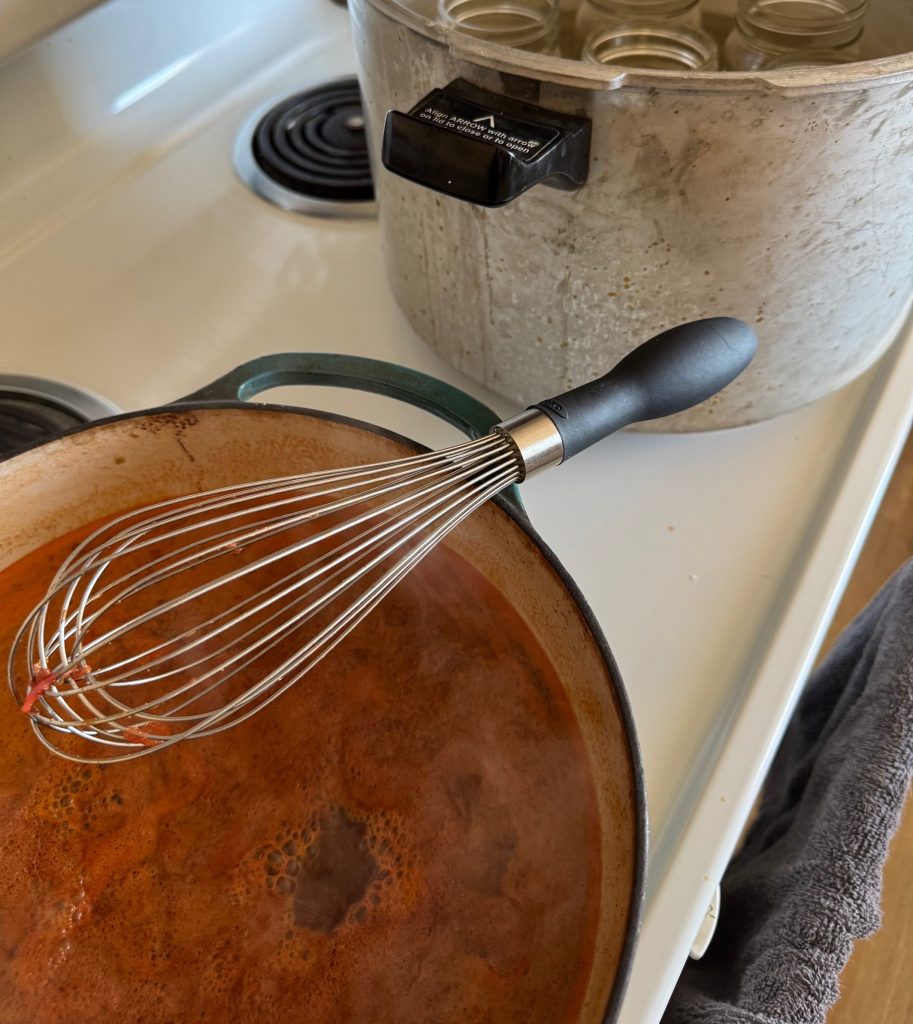
1. Learn to Cook from Scratch
If you’re going to learn one homesteading skill first, make it cooking.
That doesn’t mean you have to start making every single thing from scratch. This simply means learning to prepare more of your foods at home instead of relying solely on prepackaged or other convenience foods.
Start with simple foods and recipes you already eat. Common first recipes include:
- Bread
- Soups, stews, and broths
- Rice and beans
- Sauces
- Basic seasoning blends
- Simple baked goods
As your confidence in the kitchen grows, you can expand from there.
Cooking from scratch also teaches you something important about homesteading: self-reliance doesn’t have to be complicated.
Sometimes it’s simply knowing how to make a meal with you already have in your pantry.
✨ Start Here
Choose one recipe your family enjoys and learn to make it without relying on a a packaged version.
Once you’ve mastered it, choose something else. Small skills become habits quickly over time.
2. Learn Food Preservation
Food preservation is one of the foundational skills of homesteading.
If you grow food, buy produce in season, shop sales, or purchase food in bulk, knowing how to preserve it can help you make the most of what you have.
There are several common methods to learn, including:
- Water-bath canning
- Pressure canning
- Dehydrating
- Freeze-drying
- Mylar bag storage
Each method serves a unique purpose and works well for specific types of food. You don’t need to learn all of them immediately… or ever.
Explore the different methods and decide which one best fits for needs, available space, budget, and the types of foods you want to preserve.
If you’re completely new to food preservation, I recommend starting with Mylar bag storage as it is easy for beginners to understand, requires a minimal investment to start, and can be used to store dry ingredients that are staples in every household.
Dehydrating and canning are also both great beginner skills but do require more of an investment for equipment.
When you’ve selected a method, take the time to learn it thoroughly rather than attempting to rush through it. Food preservation is a skill worth taking seriously because proper preparation, processing, and storage matter.
✨ Start Here
Choose one preservation method and learn the basics before purchasing any equipment. Once you feel confident, purchase what you need and then practice with a small batch.
Your first goal isn’t to fill an entire pantry. It’s to start learning and begin building confidence.
3. Learn How to Build and Maintain a Stocked Pantry
A homesteading pantry isn’t always a room filled from top to bottom with canned goods. It’s simply a food supply that has been intentionally built around the needs of your family and can be established within the space you have available.
To start building a stocked pantry, begin by paying attention to what you already buy.
Make notes and ask yourself the following questions:
- What ingredients do you use every week?
- What foods does your family actually eat?
- Which staples could you purchase in larger quantities when they’re on sale?
Common pantry staples might include:
- Flour
- Rice
- Pasta
- Beans
- Oats
- Sugar
- Salt
- Spices
- Canned goods
Once you know what you use, slowly start adding an extra item (or more, depending on space and your budget) into your pantry.
You don’t have to spend a fortune or add a lot right away. One extra bag of rice or a few extra cans during a normal grocery trip may not feel significant, but consistent small purchases can create a useful reserve over time.
✨ Start Here
Take everything out of your desired pantry location. Check expiration dates, organize what remains, and make a list of the staples you use most.
This small step is the foundation you will build your stocked pantry on.
4. Learn to Grow Something
You don’t need a huge garden to learn how to grow food. You can start with a single pot.
Depending on your space and growing conditions, you can try:
- Herbs
- Tomatoes
- Lettuce
- Peppers
- Green onions
- Strawberries
- Microgreens
Growing food teaches you far more than how to keep a plant alive. You’ll learn about soil, sunlight, watering, seasons, germination, pests, and harvesting.
These are foundational skills that become increasingly valuable as your garden grows.
✨ Start Here
Pick a plant that grows well in your area and raise it for a season. Don’t plant an entire garden and risk being overwhelmed.
Observe how it grows and anything you learn about gardening from this experience. Make necessary adjustments for future gardens and gradually expand your plant inventory over time as you become more comfortable.
5. Learn Basic Food Storage
Growing and preserving food are important but knowing how to store the food you already have is just as valuable.
Different foods have different storage requirements. Temperature, humidity, light, oxygen, and moisture can all affect how long food remains usable.
Learn the basics of storing the foods you purchase and preserve.
For long-term storage of appropriate dry foods, you may want to eventually learn about:
- Mylar bags
- Oxygen absorbers
- Airtight containers
- Proper labeling
- Rotation systems
- Cool, dry storage
The goal isn’t just to store food. It’s to store it in a way that allows you to find it, use it, and know how long you’ve had it.
✨ Start Here
Choose a small section of your pantry and create a simple rotation system.
Implement the “First In, First Out” rotation method, meaning older items get placed in front of newer ones. This ensures that items are used in order and decreases the likelihood of expiration or spoilage.
6. Learn Basic Sewing and Mending
You don’t need to become an expert seamstress, but knowing how to repair something instead of immediately replacing it is a valuable homesteading skill.
Basic sewing and mending skills include:
- Sew on a button
- Repair a small tear
- Replace simple seams
- Patch worn fabric
- Make basic alterations
These skills can save money and extend the life of clothing, linens, and other household items.
✨ Start Here
If you’ve never sewn before, learn a few basic stitches.
You can practice on an old piece of fabric before attempting to repair something you actually use.
7. Learn Basic Home and Tool Skills
You don’t need to become a carpenter to benefit from learning how to use basic tools. Focus on becoming comfortable with common household tools.
Learn how to:
- Use a hammer
- Drive screws
- Measure accurately with a tape measure
- Use a screwdriver
- Use a drill safely
- Tighten loose hardware
- Make simple repairs
Knowing how to handle small problems yourself can save you time and money. Every time you learn how to fix something instead of immediately calling someone else, you’re adding another skill to your personal toolbox.
✨ Start Here
Choose a basic tool you’ve always been nervous about using and learn how to use it safely.
A great place to start is using a hammer to put nails in a scrap piece of wood.
8. Learn Basic First Aid
A self-reliant household should know what to do in case of emergencies. This doesn’t mean diagnosing major illnesses or replacing professional medical care.
It means knowing how to respond to common minor injuries and emergencies while you determine whether additional help is needed.
Learn basic first aid skills including:
- How to clean and cover a wound
- How to treat minor burns
- How to respond to cuts
- How to recognize when an injury needs professional attention
- How to assemble and maintain a first aid kit
Every member of your household should know where the first aid supplies are and have an understanding of how to use them.
✨ Start Here
Take a basic first aid course from a reputable provider and build a simple first aid kit appropriate for your household.
9. Learn to Raise or Care for Small Livestock
Not every homesteader will raise animals, but if keeping livestock interests you, learning about animal care can become an incredibly useful homesteading skill.
Even if you are unable to have livestock now, learning about different types of livestock and their care requirements is an asset for your future larger homestead.
Once you know what types of livestock you would like to raise, get familiar with their care. Some things to learn include:
- Housing requirements
- Feed and nutrition
- Common predators and protection
- Health concerns
- Daily care
- Local regulations
- Humane handling
Building this foundational knowledge is essential in raising any type of livestock, whether it is quail, chickens, rabbits, or larger livestock.
✨ Start Here
If you’re interested in livestock but aren’t ready to keep animals yet, start by learning about the species you’re considering.
Research their daily needs, costs, housing, and local regulations.
10. Learn to Prepare for the Unexpected
One of the biggest benefits of homesteading is becoming more prepared for everyday disruptions and emergencies.
You don’t have to prepare for every imaginable disaster and the goal is not to become anxious over an endless list of “what-ifs.”
The first step is to start with the situations that are most likely to affect your household. Examples of these situations include:
- Power outages
- Inability to get to a grocery store
- Interrupted water supply
- Illness
- Severe weather
Once you identify possible situations, the next step is to think about what your household would need should these occur.
Some commonly needed supplies include:
- Drinking water
- Shelf-stable food
- Flashlights or candles
- Batteries
- First aid supplies
- Personal hygiene items
- Necessary medication and household essentials
- Basic cooking supplies
Preparing for emergencies isn’t about living in fear. It’s about having a little breathing room when something unexpected happens. Having breathing room can make navigating difficult situations a bit easier.
✨ Start Here
Make a list of the things your household would need for several days in case of an emergency or unexpected situation.
Gradually begin to take steps to fill in any gaps.
How to Learn Homesteading Skills Without Getting Overwhelmed
Ten skills sound like a lot and it can be overwhelming if you try to learn them all at once.
One of the easiest ways to burn yourself out is to decide that you’re going to completely transform your household in a single month.
Instead, choose one skill at a time and gradually learn more once you’re ready.
Follow the “Learn, Practice, Repeat” Method
Learn: Select a method to learn about the skill (reading, watching demonstrations, or taking a class). Understand the basic principles before you begin.
Practice: Start with a small project and implement the knowledge you’ve learned. Give yourself grace if it doesn’t go as expected the first few times.
Repeat: Pay attention to every attempt and areas where you could improve. Research more as needed and continue to practice. The more you practice, the more you will learn.
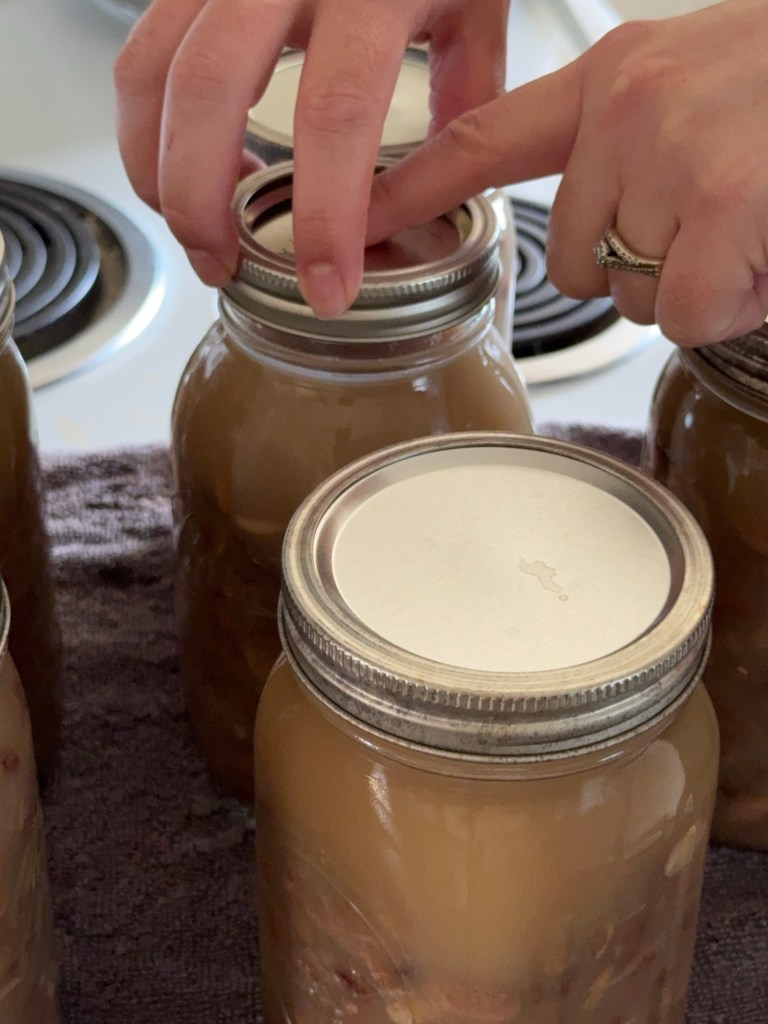
Don’t Confuse Equipment with Skills
Something important to mention for beginners is that it isn’t necessary to spend a lot of money on your journey to becoming a homesteader.
Having equipment may make skills easier, but without practice, you will not be able to effectively learn the skill.
Before making any investment into tools or equipment, learn the skill first and then invest once you are confident in your ability to practice and learn the skill.
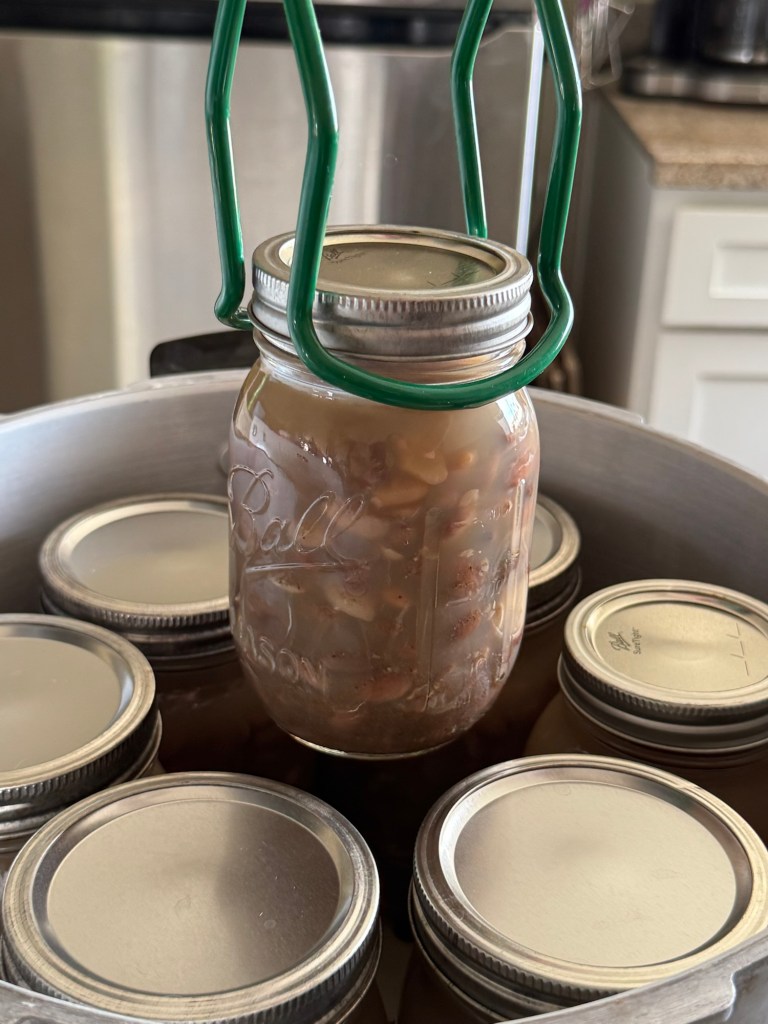
The Most Important Homesteading Skill of All
If I had to choose a single underlying skill that is essential for all homesteaders, it would be the ability to learn.
Homesteading is a lifelong education and there is always something more to learn.
The goal isn’t to know everything. Instead, the goal is to become confident enough to say “I don’t know how to do that yet, but I can learn.”
That mindset will take you much further than trying to become an expert overnight.
Homesteading isn’t about recreating someone else’s life or doing it all. It’s about building a life that makes sense for you and your family.
If you start today, even with very little space, you’ll already be further along than you were yesterday.
You don’t need land to start homesteading. You just need to start where you are.
Final Thoughts
You don’t need to master all 10 homesteading skills this year. If you choose one to learn, that is an amazing accomplishment.
With time, each individual skill learned begins to connect.
Cooking from scratch becomes easier when you have a stocked pantry.
A stocked pantry becomes more useful when you know how to preserve food.
Food preservation becomes even more valuable when you’re buying in bulk or growing your own produce.
Each new skill builds more confidence to learn the next one.
That’s what homesteading is really about: Becoming more capable, one skill at a time.
You can start today, exactly where you are.
Ready to Keep Learning?
If you’re new to homesteading, start with the skill that feels the most useful to your household right now.
Explore the Beginner Homesteading Library for more foundational and homesteading mindset resources.
You can also visit the Food Preservation Library to learn more about canning, dehydrating, Mylar bag storage, and freeze-drying, or explore the Raising Quail Library if you’re interested in adding small livestock to your homestead.
Remember: you don’t have to do everything. Learn one skill. Practice it. Let it become yours. Then learn the next one when you’re ready.
Continue Reading
- What is Homesteading? (And Why You Don’t Need Land to Start)
- Article Name
- Article Name
Free Resources to Get You Started
Build your confidence with these beginner-friendly downloads designed to help you take the next step in your homesteading journey.
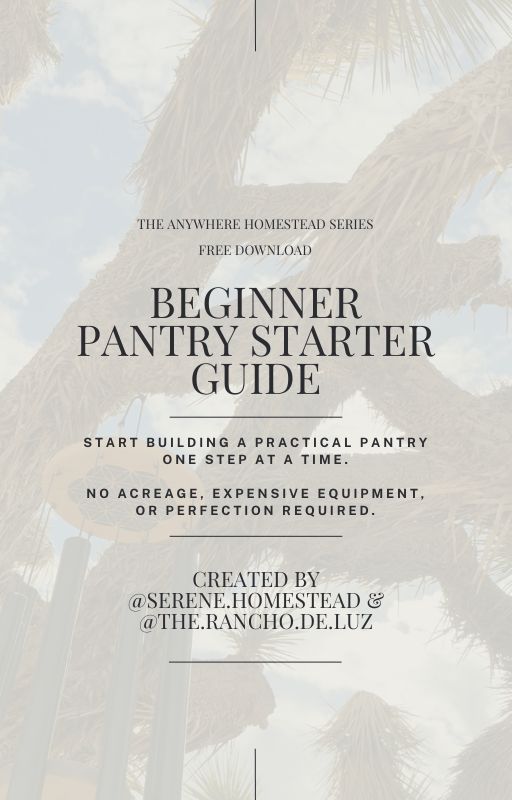
Start Building a Stocked Pantry
Learn how to build a practical pantry one purchase at a time with this printable guide. Perfect for beginners who want to be more prepared without feeling overwhelmed.
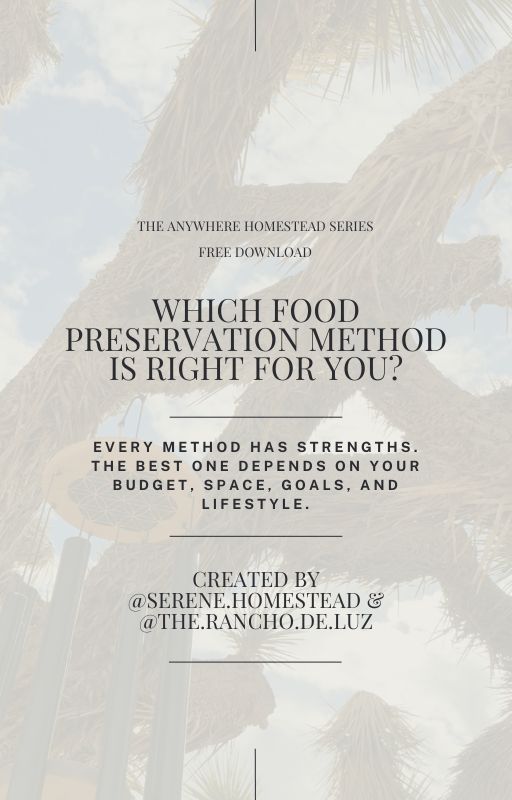
Which Preservation Method Is Right for You?
Not sure where to begin? Compare the most common food preservation methods and discover which one best fits your goals, budget, and lifestyle.
© 2026 Serene Homestead. All rights reserved.
 Serene Homestead