the learning libraries
The Canning Library
Everything you need to start canning with confidence from your very first jar to a fully stocked pantry shelf.
About this Library
Home Canning, Taught from Scratch
Canning is one of the most practical and rewarding food preservation skills you can learn. Done correctly, it gives you shelf-stable jars of fruits, vegetables, jams, sauces, and broths that last for years.
This library covers both water-bath and pressure canning, starting with the fundamentals and building toward confidence in the kitchen. No experience assumed. No expensive equipment required to get started.
Browse the guides below or start at the top and work your way through in order. Either way, you’ll find clear, step-by-step instruction for every stage of the process.
The two methods
Water-Bath Canning vs. Pressure Canning
The method you use depends on the acidity of what you’re canning. High-acid foods like jams, pickles, and tomatoes can be safely processed in a water-bath canner. Low-acid foods like vegetables, meats, and broths require a pressure canner to reach the temperatures needed to eliminate harmful bacteria.
If you’re just starting out, water-bath canning is the natural first step. It requires less equipment, has a gentler learning curve, and opens the door to dozens of approachable recipes. Resources for both methods are included in this library.
| Aspect | Water-Bath Canning | Pressure Canning |
| Cost | Low ($30-$60 for a basic kit) | Moderate to High ($80-$300+ for a quality canner) |
| Equipment Needed | Large stockpot or water-bath canner, jar rack, canning jars, lids, bands, jar lifter, funnel | Pressure canner (weighted or dial gauge), canning jars, lids, bands, jar lifter, funnel |
| Difficulty | Beginner-friendly | Intermediate (requires monitoring pressure levels) |
| Processing Time | 5-85 minutes depending on recipe | 200-100 minutes depending on recipe |
| Food pH Requirement | High-acid foods only (pH 4.6 or below) | Low-acid and high-acid foods (pH above 4.6) |
| Safe Food Types | Fruits, jams, jellies, pickles, tomatoes (with added acid), fruit juices | Vegetables, meats, poultry, seafood, beans, soups, stews |
| Heat Achieved | Boiling point: 212°F (100°C) | Kills botulism spores: 240°F (116°C) |
| Botulism Risk | Safe for high-acid foods only; low-acid foods are dangerous | Eliminates botulism risk when used correctly |
| Shelf Life | 1-2 years when properly processed and stored | 1-5 years when properly processed and stored |
| Learning Curve | Easy (great first step) | Moderate (requires reading a gauge and following tested recipes closely) |
| Best For | Beginners, fruit-based preserves, summer harvests | Experienced canners, meat and vegetable preservation, full pantry building |
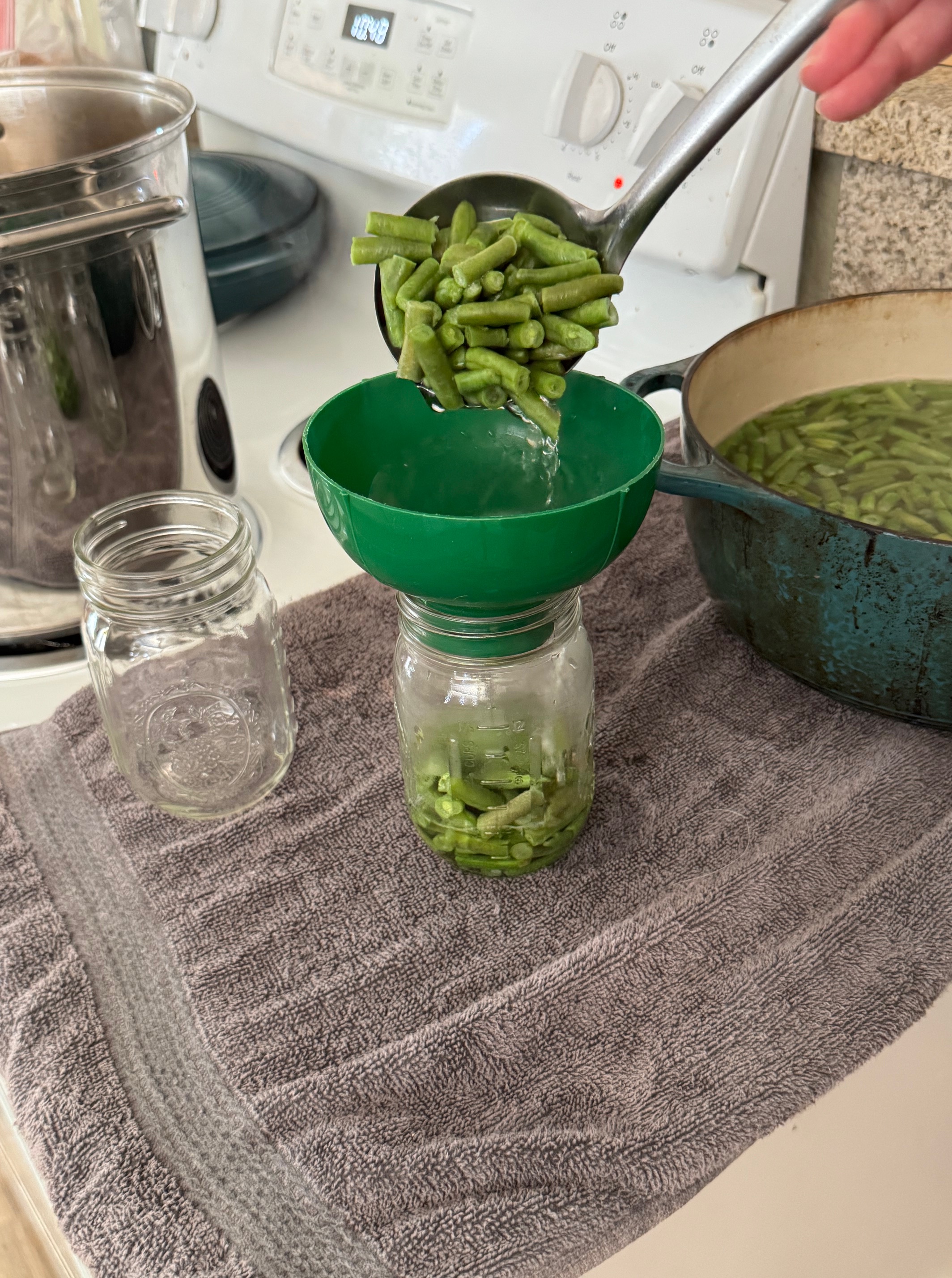
Introduction to Canning
Canning is one of the best ways to preserve food for months or even years. Learn how canning works, the difference between water-bath and pressure canning, what equipment you actually need, and how to get started safely and confidently.
Recommended First Read: Canning 101: A Beginner’s Guide to Home Canning
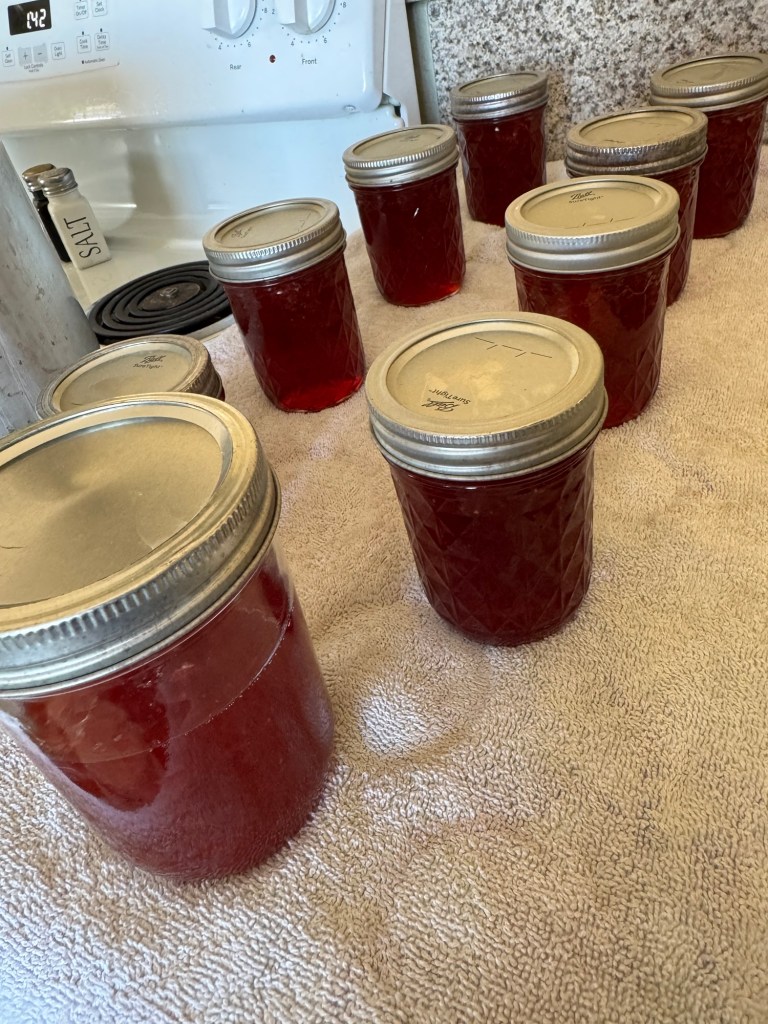
Water-Bath Canning: A Beginner’s Guide
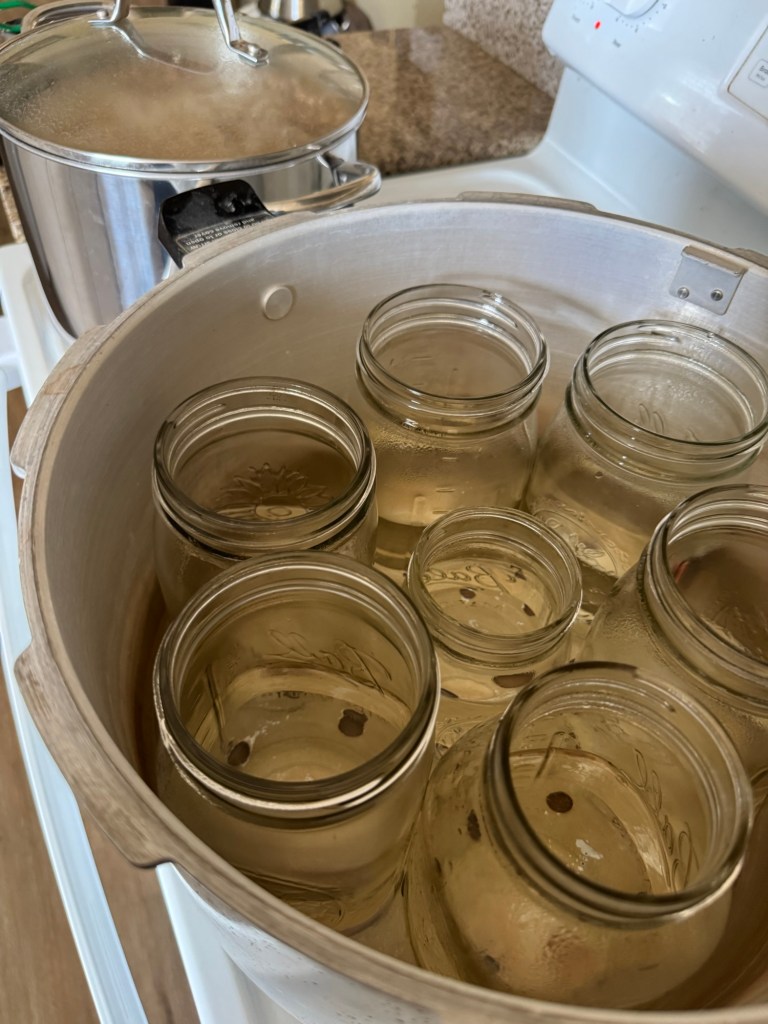
Water-bath canning is a simple place to start when you’re ready to preserve high-acid foods. Learn what foods can be safely water-bath canned, the equipment you’ll need, and the basic process from preparing your jars to processing and storing them.
Recommended First Read: Water-Bath Canning: A Beginner’s Guide
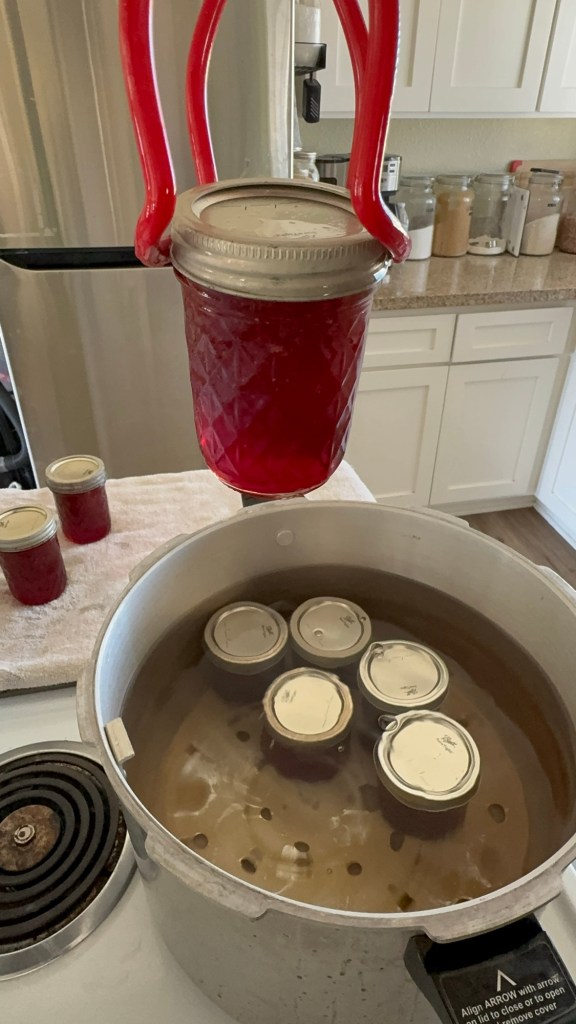
Pressure Canning: A Beginner’s Guide
Pressure canning makes it possible to safely preserve low-acid foods like vegetables, meats, and beans. Learn how pressure canning works, what equipment you need, and the essential safety principles every beginner should understand before getting started.
Recommended First Read: Pressure Canning: A Beginner’s Guide
featured Guide
The Complete Beginner’s Guide to Canning
The Canning Guide
Canning is one of the most practical ways to preserve food and build a well-stocked pantry. This guide walks you through the basics of both water-bath and pressure canning, including the equipment you need, how each method works, food safety essentials, and what foods are best suited to each method. Written in beginner-friendly terms with clear instructions, this guide gives you the confidence to start canning safely and preserve food for your family.
Free Resources to Get You Started
Build your confidence with these beginner-friendly downloads designed to help you take the next step in your homesteading journey.
Start Building a Stocked Pantry
Learn how to build a practical pantry one purchase at a time with this printable guide. Perfect for beginners who want to be more prepared without feeling overwhelmed.
Which Preservation Method Is Right for You?
Not sure where to begin? Compare the most common food preservation methods and discover which one best fits your goals, budget, and lifestyle.
Continue Reading
Looking for the next step? Explore these related resources or browse the complete library.
- Coming Soon!
- Coming Soon!
- Coming Soon!
 Serene Homestead