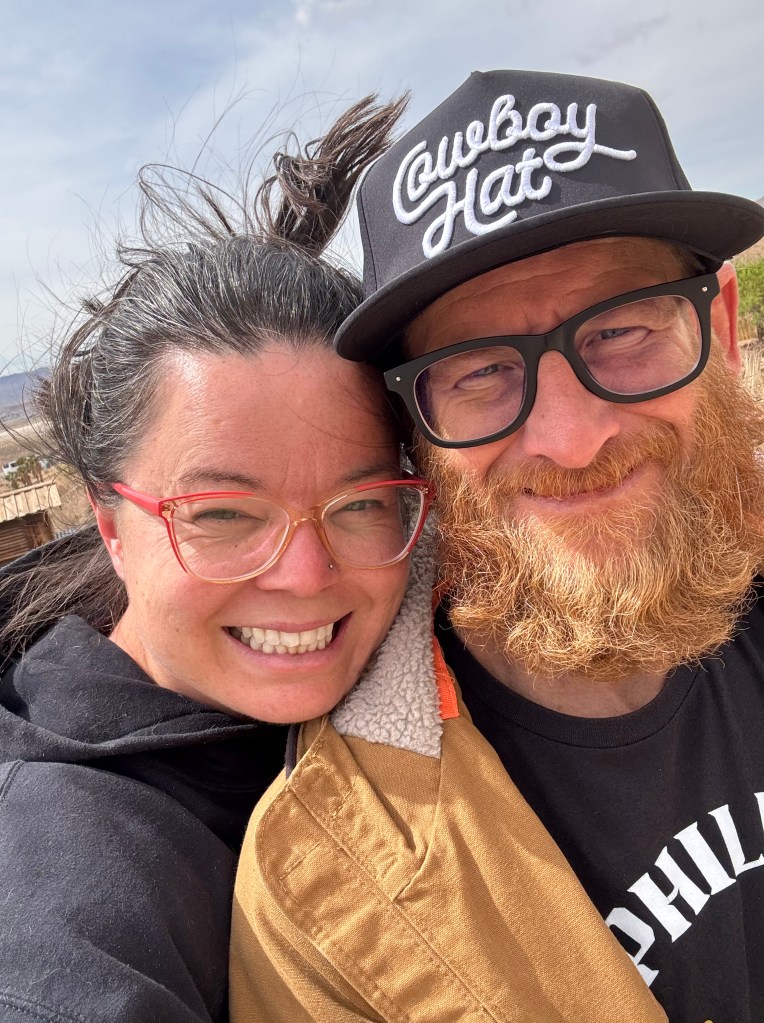
Hi, I’m Stephanie!
I homestead alongside my husband, and together we’re learning this life one skill at a time. We’re first-generation homesteaders who started small and learned that homesteading really can happen anywhere.
Here at Serene Homestead, I share the things we’ve learned along the way, from growing and preserving food to raising animals and building practical skills for a more self-reliant life.
I’m happy you’re here!
What is Homesteading?
(And Why You Don’t Need Land to Start)
Have you ever scrolled through social media and thought “I’d love to homestead, but I don’t have any land?”
You’re not alone.
One of the biggest misconceptions about homesteading is that is requires acres of open land, a big red barn, animals around every corner, and growing or raising all of your own food. While that may be one person’s version of homesteading, it isn’t the only option.
The truth about homesteading is it isn’t about where you live, but more about how you live. This includes the skills you learn, the choices you make, and the confidence you build by becoming a little more self-reliant every day.
I know because that’s exactly where our journey into homesteading began.
Back in 2020 before we owned any land, my husband and I started learning practical homesteading skills while living in a 1,200-square-foot mobile home in a trailer park. We didn’t have acres to homestead on, just a tiny backyard that could hold 3 small, raised garden beds. What we did have was the desire to start learning to become more self-sufficient, capable, and less dependent on large-scale systems that we observed to be fragile and unpredictable.
Looking back, I’m grateful we started there.
If we had waited until everything was “perfect,” we would have never started at all.
What is Homesteading?
At its heart, homesteading is the practice of becoming more self-sufficient through practical, everyday skills.
For some people, that means growing a large vegetable. For others, it’s preserving food, baking bread of scratch, raising a few quail, or simply keeping a well-stocked pantry.
Homesteading isn’t about doing everything yourself and there isn’t a checklist that you have to complete before you can call yourself a homesteader.
It’s about intentionally learning skills that make your family more resilient, helps you save money, reduce waste, and help you rely a little less on convenience or large-scale systems.
Whether you learn one new skill this year or twenty you’re moving in the right direction.
Homesteading Looks Different for Everyone
One of the things I love most about homesteading is that it doesn’t look the same for everyone.
Your version of homesteading should fit your life, budget, goals, and space you have available.
You can homestead from:
- An apartment
- A condo
- A suburban neighborhood
- A trailer park
- A tiny home
- A rural property
- A farmhouse with several acres of land
Every one of those is a great place to begin. Remember, the size of your property doesn’t dictate your success.
Your willingness to start does.
Skills Matter More Than Land
If someone handed you ten acres tomorrow but you didn’t know how to preserve food, stock a pantry, or care for animals, owning the land wouldn’t magically make you a homesteader.
The skills and the lifestyle are what makes someone a homesteader.
The best part? Those skills can be learned anywhere.
Beginner Homesteading Skills
Some of the most valuable homesteading skills beginners can learn anywhere include:
Food Preservation
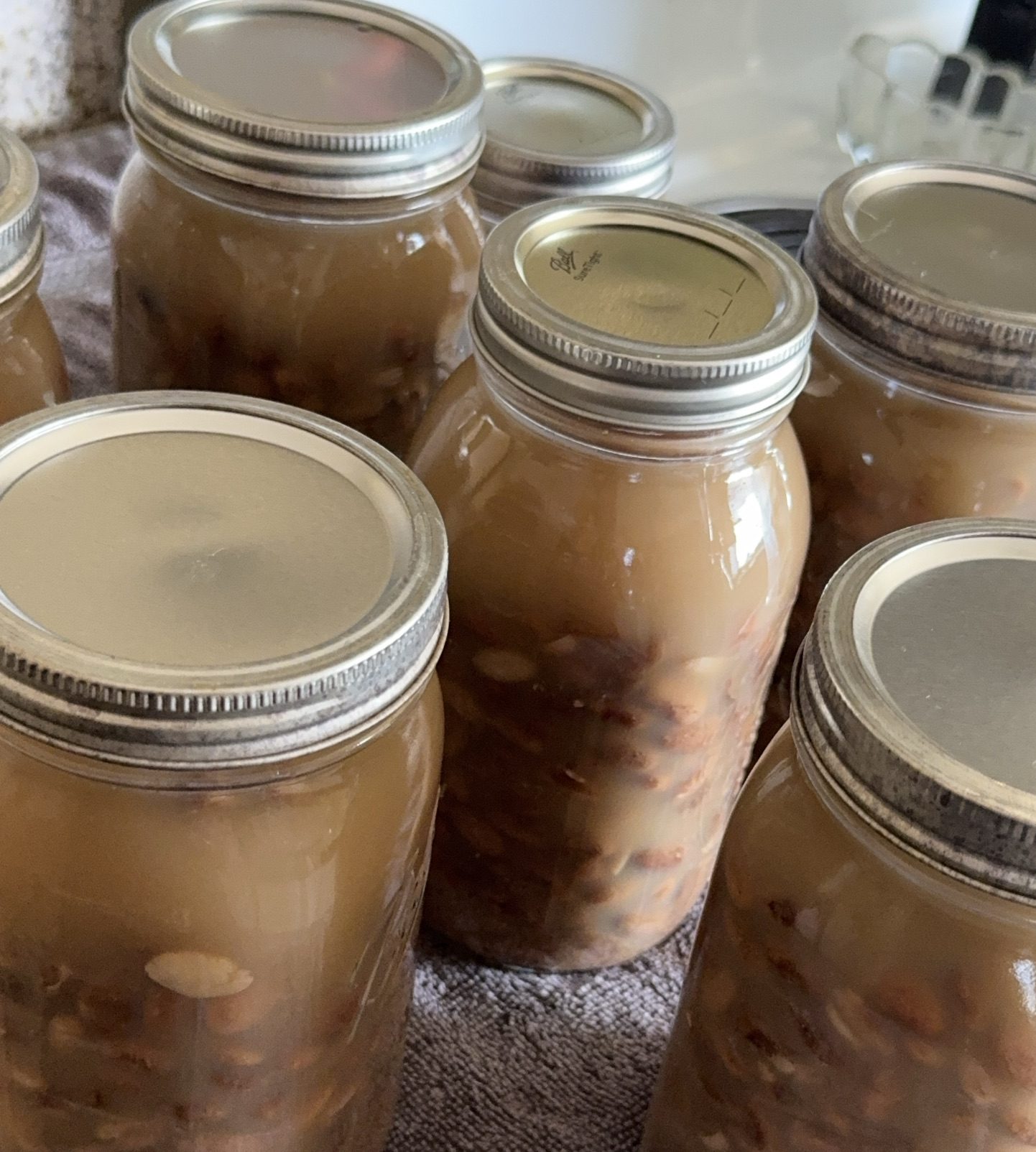
Learning how to preserve food allows you to reduce waste, buy in bulk, and prepare for unexpected situations.
Some popular preservation methods include:
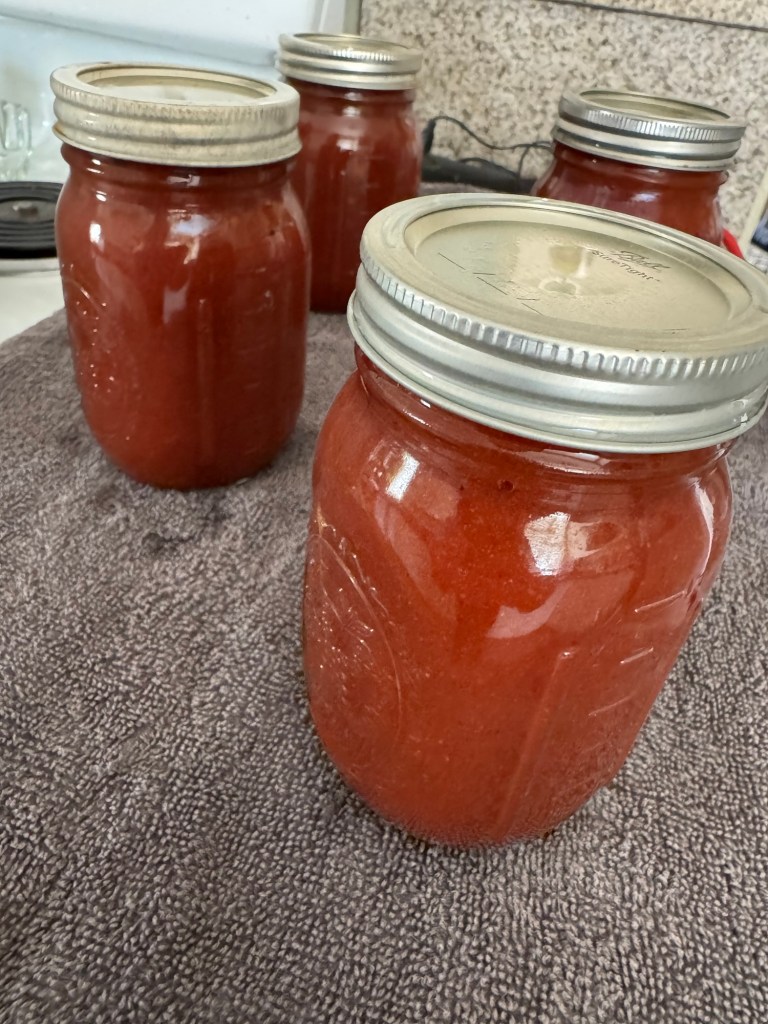
- Water-bath canning
- Pressure canning
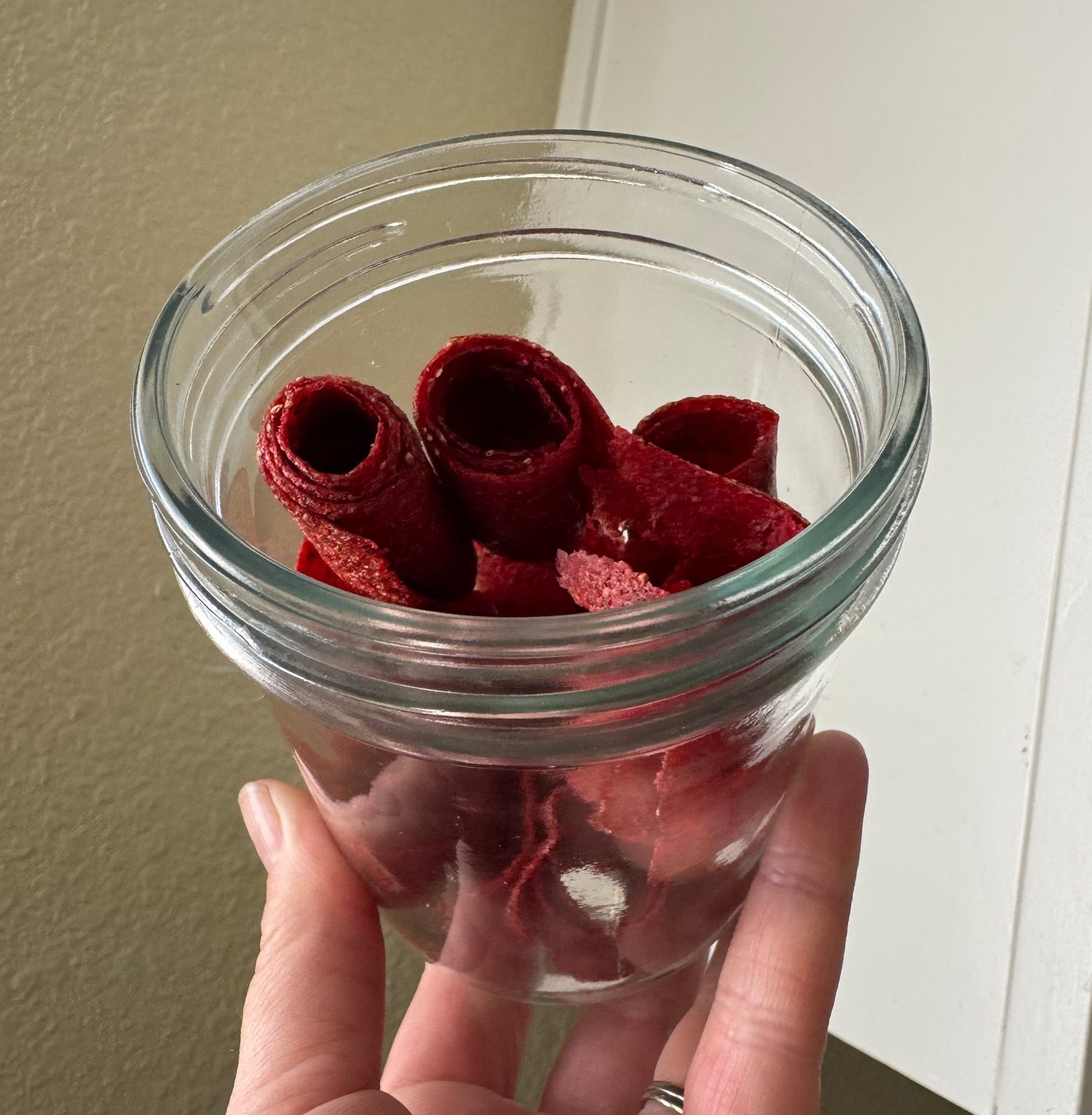
- Dehydrating
- Freeze-drying
- Long-term pantry storage using Mylar bags
Each method has advantages and it isn’t essential to learn all of them at once. My recommendation is to pick one that fits your needs, budget, and lifestyle and start there.
Cooking from Scratch
Cooking doesn’t have to be complicated.
Learning to make simple meals from basic ingredients often saves time and money while helping you rely less on highly processed convenience foods.
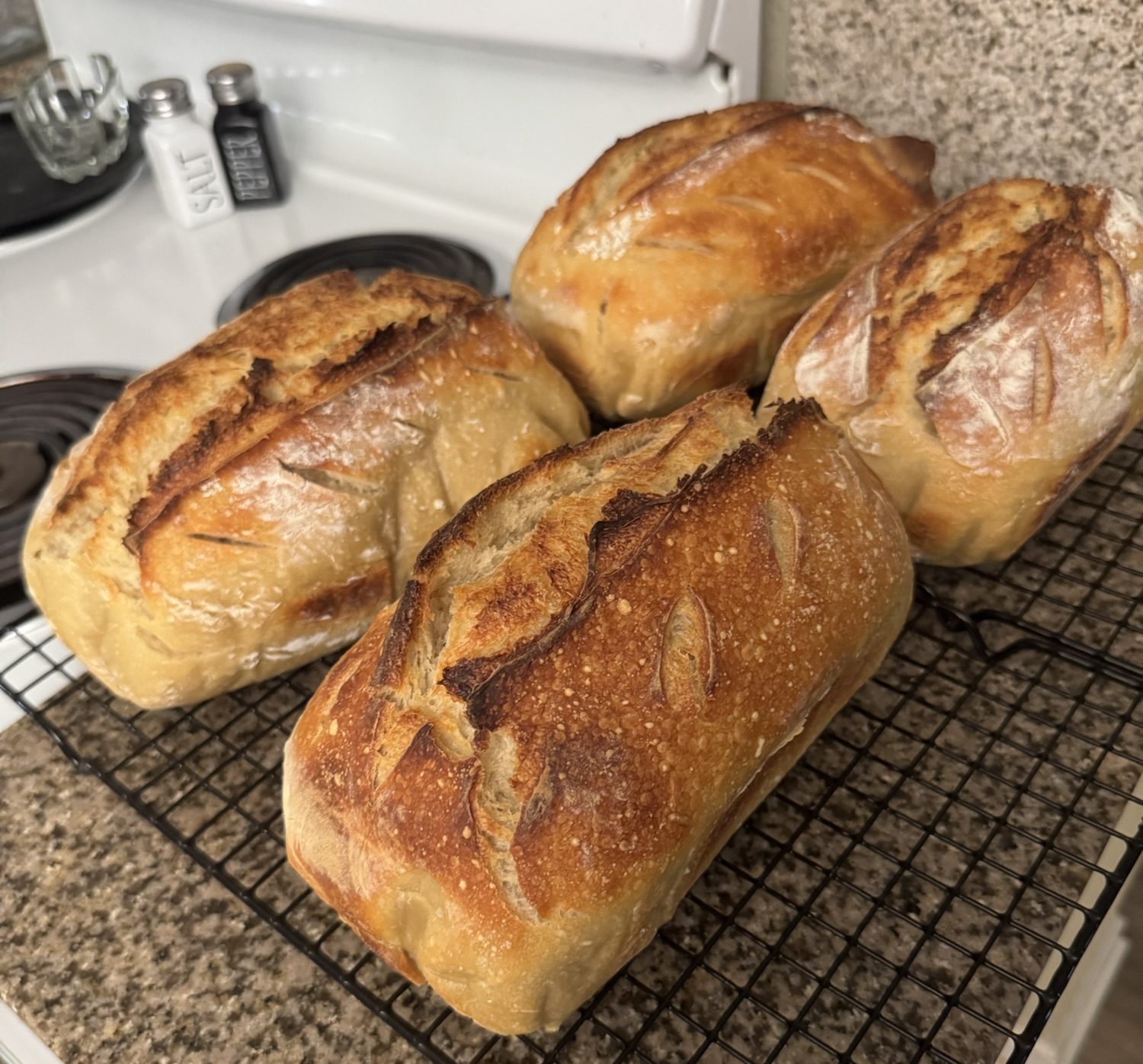
Even mastering homemade breads, soups, or simple pasta dishes can be a significant difference over time.
Growing Food
You don’t need a huge garden to experience the satisfaction of growing something yourself.
Many beginners start with:
- Herbs on a windowsill
- Tomatoes in containers
- Lettuce in raised garden beds
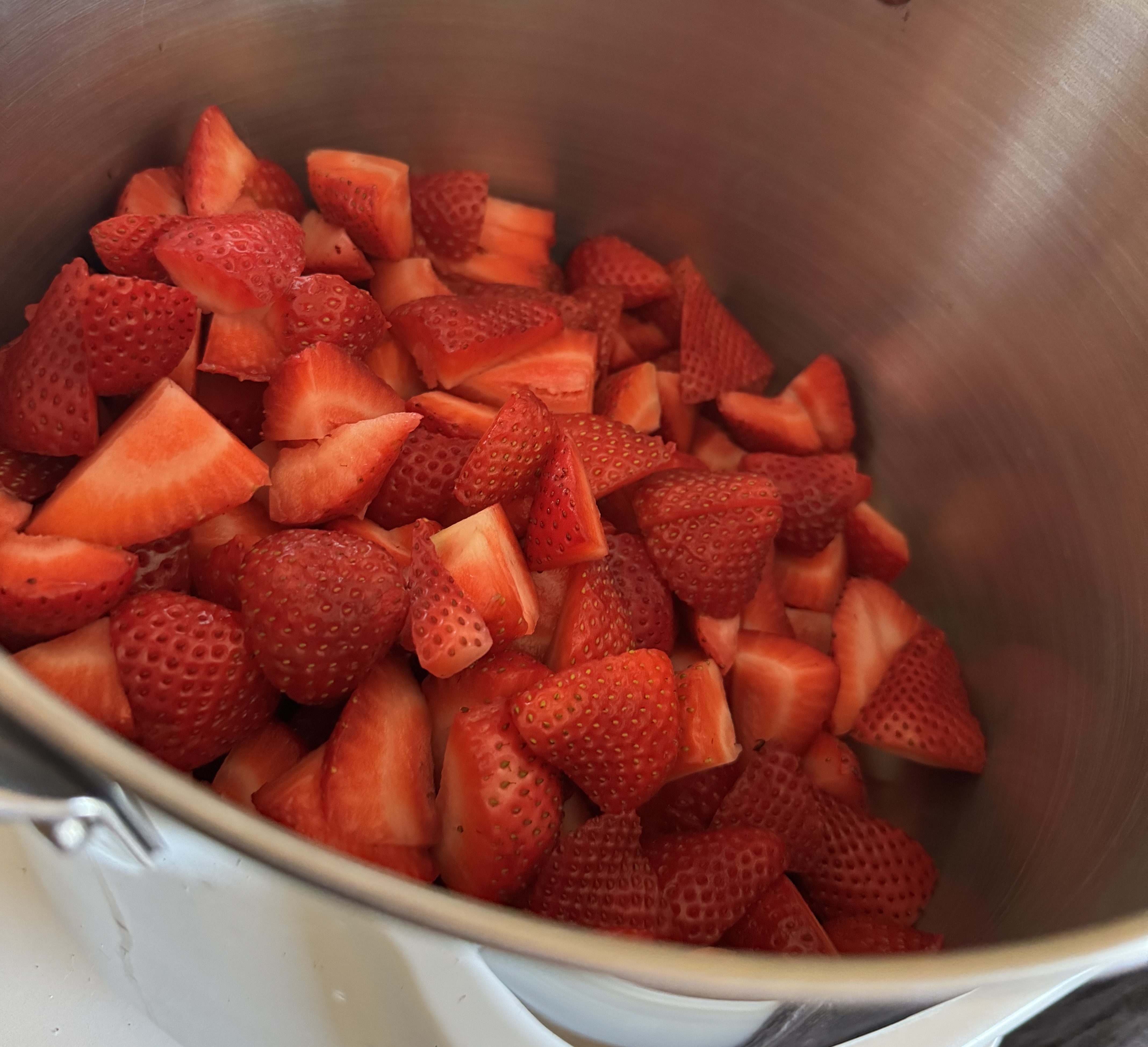
- Strawberries in hanging baskets
Small successes with even a single plant builds confidence.
Raising Small Livestock
Depending on where you live and local regulations, even people with limited space may be able to raise small livestock.
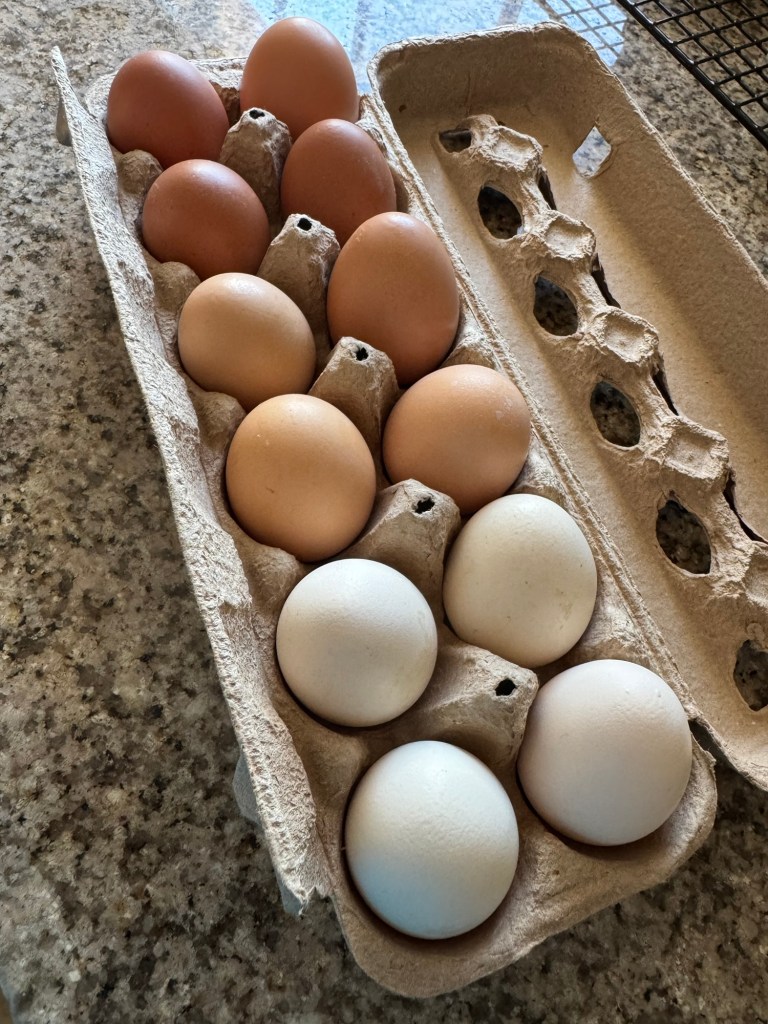
One of my favorite examples is Coturnix quail. They’re compact, mature quickly, and can provide fresh eggs while requiring far less space than chickens. They’re a great option for many people who want to being raising animals without needing a large property.
Emergency Preparedness
Homesteading isn’t just about producing food.
It’s also about being prepared.
A stocked pantry, stored water, first aid supplies, and emergency plans are all common aspects of homesteads, whether they are in a city or in the middle of nowhere.
Being prepared isn’t driven by fear, but rather the desire for peace of mind knowing that your household will be able to handle any type of emergency.
✨ Quick Tip
You don’t have to do everything at once. Many beginners believe they have to learn every skill immediately. Choose one skill and practice it until it becomes second nature. Gradually move on to the next one. Over time, these small wins will compound into a lifestyle you can be proud of.
Common Beginner Mistakes
Waiting for the “Perfect” Time
There will always be reasons to wait: Wanting more money, land, experience, free time… the list is endless.
If we had waited until everything lined up perfectly, we would have missed years of valuable learning that ultimately prepared us for the larger scale homestead lifestyle we are blessed with today.
The best time to begin is today with exactly what you have.
Buying Everything Up Front
Social media makes it easy to believe you need expensive and fancy equipment before you can start.
The truth is reality is much simpler: Learn the skill first and buy the tools as you need them.
This approach will help you save money and prevent making a large upfront investment in equipment for a skill that may not fit your lifestyle.
Comparing Your Beginning to Someone Else’s Middle
When starting out as a homesteader, it is incredibly easy to compare your beginning to someone else’s thriving homestead. I was very guilty of this and often felt I wasn’t doing enough because I didn’t have the same progress as someone who had started years before we did.
Remember that every experienced homesteader was also once a beginner who was just starting out too.
Instead of comparing, focus on your own progress and celebrate your milestones.
My Homesteading Philosophy
You don’t have to wait for your dream homestead to start building your dream life.
Every new skill you learn matters and will add up over time.
Homesteading isn’t about perfection or doing it all at once.
It’s about progress.
Where Should You Start?
If you’re feeling overwhelmed, remember to start small.
This week, choose a single simple goal:
- Organize a pantry shelf or cabinet
- Learn about a food preservation method that interest you
- Grow an herb or a single tomato plant
- Bake a loaf of bread
- Borrow a homesteading book from your local library
- Create a simple emergency supply list
Small actions today help build lifelong habits over time.
Final Thoughts
Homesteading isn’t reserved for people with sprawling farms or endless resources.
It’s for anyone who wants to live more intentionally, become more capable, and build practical skills that benefit their family for years to come.
Whether you’re living in an apartment, a suburban neighborhood, a trailer park, or in a house with land, you can start today.
Your journey doesn’t have to look like anyone else’s. It just has to begin.
Thank you for spending a little time here with me at Serene Homestead. My hope is that the Beginner Homesteading Library gives you practical, encouraging information you can use. Every resource I publish is written with one goal in mind: helping you start learning homesteading skills and building confidence exactly where you are.
If you’re ready for the next step, be sure to explore the rest of this Library, learn about the different Food Preservation methods, discover whether Coturnix quail might be a good fit for you, or download the free Resources to help you get started.
Remember: you don’t need the perfect setup to begin. All you need is the willingness to take the first step.
Continue Reading
Free Resources to Get You Started
Build your confidence with these beginner-friendly downloads designed to help you take the next step in your homesteading journey.
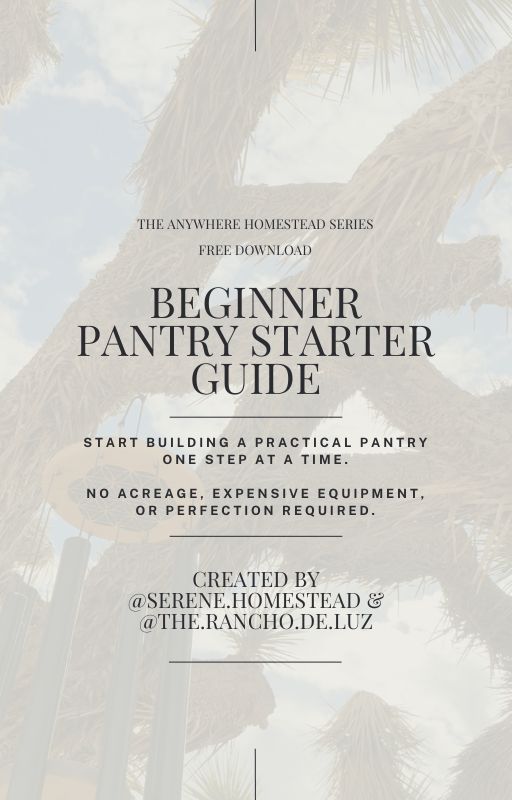
Start Building a Stocked Pantry
Learn how to build a practical pantry one purchase at a time with this printable guide. Perfect for beginners who want to be more prepared without feeling overwhelmed.
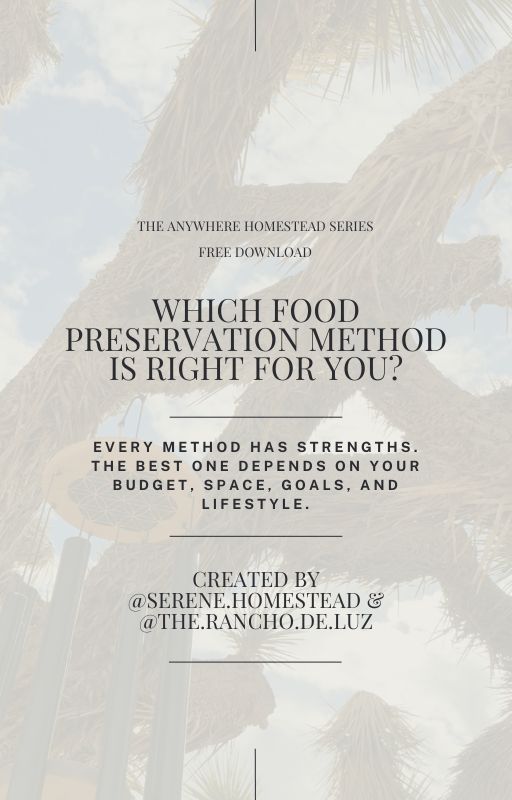
Which Preservation Method Is Right for You?
Not sure where to begin? Compare the most common food preservation methods and discover which one best fits your goals, budget, and lifestyle.
© 2026 Serene Homestead. All rights reserved.
 Serene Homestead